





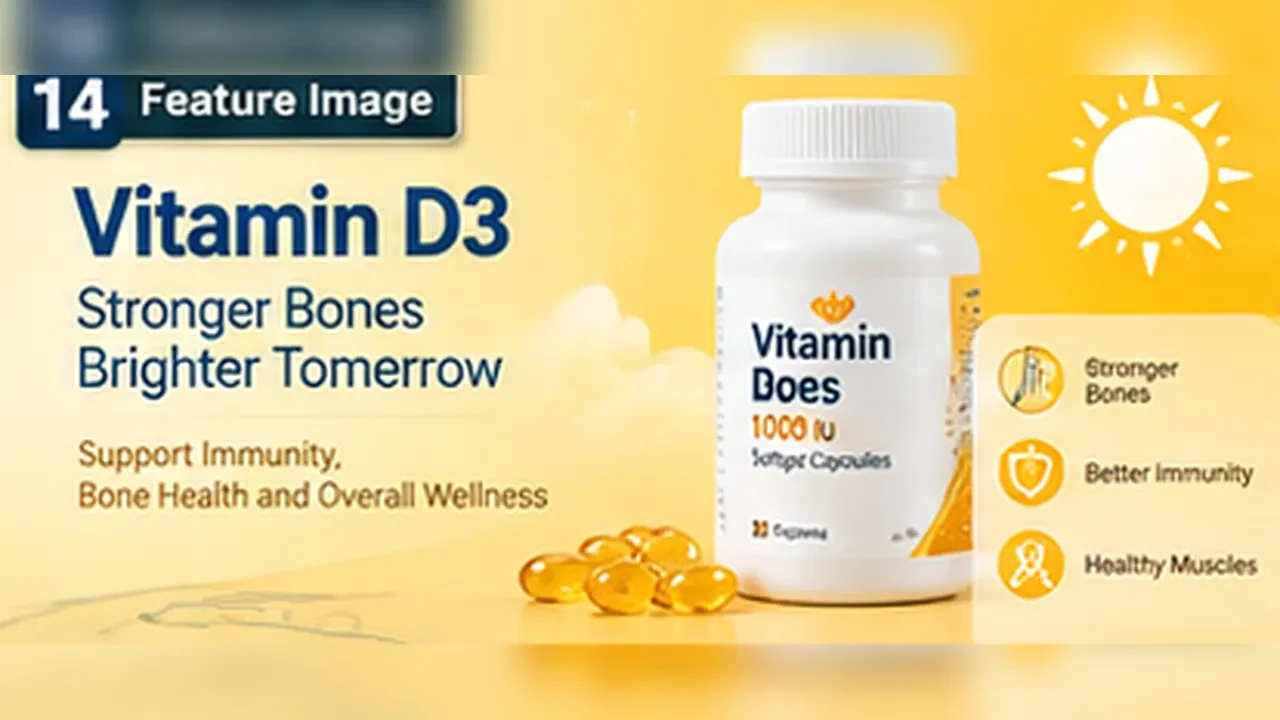
Vitamin D helps the body absorb calcium and supports bone and muscle health. The body can make vitamin D when skin is exposed to sunlight, and smaller amounts come from foods or supplements. Deficiency is common in some populations, especially when sun exposure is limited, skin is usually covered, darker skin reduces vitamin D production, or health conditions affect absorption.

How it works
Vitamin D3, also called cholecalciferol, is a commonly used supplement form. It is converted in the body to active forms that help regulate calcium and phosphate. The amount someone needs depends on age, diet, sunlight, pregnancy, medical conditions and local public-health guidance. A supplement appropriate for routine prevention may be very different from a high-dose treatment prescribed for confirmed deficiency.
Where it may fit in care
Food sources include oily fish, egg yolk and fortified foods where these are available. Sun exposure recommendations vary because climate, skin cancer risk, season and skin type differ. People at higher risk of deficiency may be advised to use a daily supplement even when they eat well. When deficiency is suspected, a clinician may use a blood test to guide treatment rather than guessing from symptoms alone.
Safer everyday use
More is not always better. Vitamin D is fat-soluble and excessive supplementation can raise blood calcium, potentially causing nausea, weakness, kidney problems and other complications. Avoid stacking several supplements that all contain vitamin D without checking the total amount. People with kidney disease, high calcium, sarcoidosis or other conditions affecting calcium should seek medical advice before supplementation.
Side effects and important cautions
Routine supplement amounts are generally well tolerated, but high doses should have a clear reason and duration. Vitamin D can interact with the overall management of calcium, kidney disease and some medicines. If a clinician has prescribed a high-dose course, follow that plan instead of adding extra over-the-counter vitamin D on top.
Building a practical daily routine
Bone health also depends on adequate calcium, protein, resistance and weight-bearing activity, fall prevention, smoking status and alcohol use. Vitamin D is one piece of the picture. A person with repeated fractures, significant bone pain, muscle weakness or osteoporosis risk may need a broader bone-health assessment rather than simply taking a supplement.
When to seek medical help
Seek medical advice if you have symptoms of high calcium such as persistent nausea, unusual thirst, frequent urination or confusion while taking high-dose vitamin D. People with kidney disease, recurrent kidney stones, parathyroid disorders or complex medical conditions should have supplementation reviewed before changing the amount.
Keep useful information together
A simple health record makes medicine use safer. Keep the current medicine name, strength, reason for use, allergies, relevant conditions and the name of the prescriber or pharmacy in one place. Record important readings or symptoms only when they are useful to the care plan, and take the list to appointments. This reduces confusion when more than one clinician is involved and helps prevent accidental duplication when buying over-the-counter products.
Use medicine information wisely
Online health information can help you prepare questions, but it cannot examine you, review your full medicine list or replace local prescribing guidance. Use trusted patient leaflets and professional advice for decisions about starting, stopping or changing treatment. If guidance from a website conflicts with the label or a personalised plan, pause and check with a pharmacist or doctor rather than experimenting with the medicine on your own.
Questions worth asking a pharmacist or doctor
- Am I in a group that is routinely advised to take vitamin D?
- Do I need a blood test before using a high-dose product?
- Does this multivitamin already contain vitamin D?
- What other bone-health steps should I focus on besides supplements?
Key takeaway
Vitamin D is important, but supplement needs are not identical for everyone. Use public-health or clinician guidance, avoid unnecessary high doses, count vitamin D from all products, and support bone health with balanced nutrition and regular physical activity.
Educational demo content only. It does not replace diagnosis, a prescription, the patient information leaflet, or advice from a qualified healthcare professional. Medicine availability, indications and warnings can vary by country.