





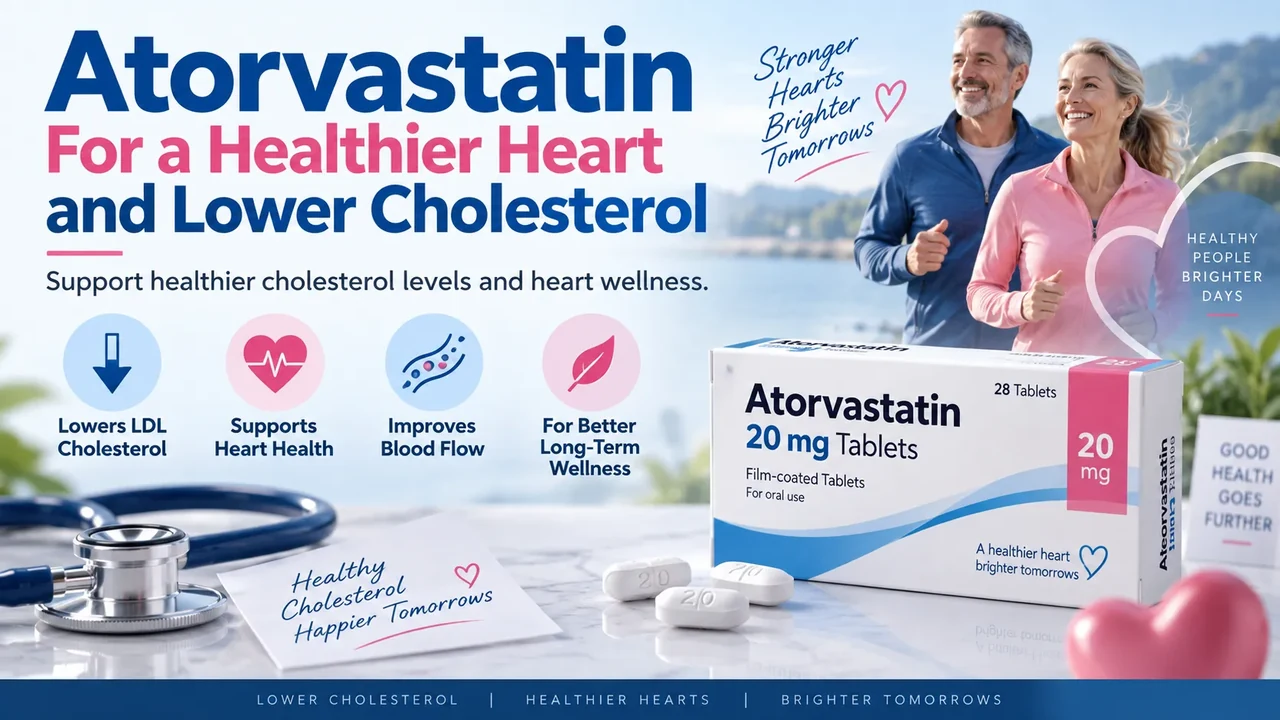
Atorvastatin is a statin medicine used to lower LDL cholesterol and reduce the risk of heart attack and stroke in people whose overall cardiovascular risk justifies treatment. The decision is not based on cholesterol alone. Age, blood pressure, diabetes, smoking, kidney health, family history and previous cardiovascular disease all influence the expected benefit.
How it works
Statins reduce cholesterol production in the liver by blocking an enzyme involved in the process. The liver then removes more LDL cholesterol from the bloodstream. Atorvastatin can lower LDL substantially, but the goal is not simply to produce the smallest possible number; it is to lower long-term cardiovascular risk to an appropriate level for the individual.
Where it may fit in care
Some people take atorvastatin after a heart attack or stroke, while others use it for prevention because their risk is elevated. Treatment intensity and cholesterol targets vary between guidelines and health systems. A clinician may repeat blood tests after starting or changing therapy to confirm the response and decide whether the plan should stay the same.
Safer everyday use
Take atorvastatin consistently as prescribed. Tell your clinician about other medicines and supplements because some can change atorvastatin levels. Large amounts of grapefruit may interact with some statins, including atorvastatin, so local medicine advice should be followed. Pregnancy and breastfeeding require special consideration, and statins are generally not used during pregnancy.
Side effects and important cautions
Most people tolerate statins well. Muscle aches are common in the general population and do not always mean the statin is responsible, but new unexplained muscle pain or weakness should be discussed. Severe muscle symptoms with dark urine are uncommon and need urgent assessment. Liver enzymes may be checked in selected situations, especially if symptoms suggest a liver problem.
Building a practical daily routine
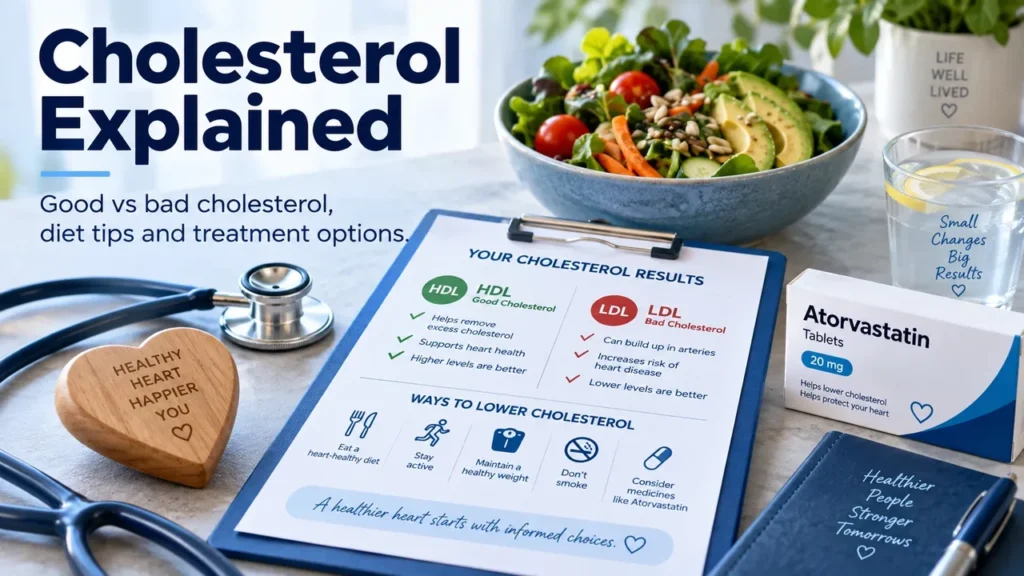
A heart-healthy eating pattern, regular exercise, avoiding smoking, maintaining a suitable weight and controlling blood pressure and diabetes all remain important. Statin treatment does not cancel out lifestyle risk, and healthy habits do not always replace the need for statin therapy when cardiovascular risk is high. The two strategies work together.
When to seek medical help
Seek medical advice promptly for severe unexplained muscle weakness, dark urine, jaundice or a serious allergic reaction. Contact your clinician before stopping because of milder muscle symptoms; changing the dose, timing or statin may solve the problem while preserving cardiovascular protection.
Keep useful information together
A simple health record makes medicine use safer. Keep the current medicine name, strength, reason for use, allergies, relevant conditions and the name of the prescriber or pharmacy in one place. Record important readings or symptoms only when they are useful to the care plan, and take the list to appointments. This reduces confusion when more than one clinician is involved and helps prevent accidental duplication when buying over-the-counter products.
Use medicine information wisely
Online health information can help you prepare questions, but it cannot examine you, review your full medicine list or replace local prescribing guidance. Use trusted patient leaflets and professional advice for decisions about starting, stopping or changing treatment. If guidance from a website conflicts with the label or a personalised plan, pause and check with a pharmacist or doctor rather than experimenting with the medicine on your own.
Questions worth asking a pharmacist or doctor
- What is my overall cardiovascular risk and LDL goal?
- How much LDL reduction should this treatment achieve?
- Could another medicine or supplement interact with atorvastatin?
- What symptoms should prompt a review rather than simply stopping the statin?
Key takeaway
Atorvastatin is used to reduce future cardiovascular risk, not just to change a laboratory result. Take it consistently, combine it with heart-healthy habits, report significant muscle or liver symptoms, and review the treatment based on your overall risk profile.
Educational demo content only. It does not replace diagnosis, a prescription, the patient information leaflet, or advice from a qualified healthcare professional. Medicine availability, indications and warnings can vary by country.